Unlocking the Potential of Mosaic Blue Colored Tile Buttons in Modern Web Design
In the ever-evolving landscape of digital design, the smallest elements often carry the most significant weight. Among these elements, buttons serve as the primary bridge between user intent and digital action. While flat design has dominated the industry for years, there is a resurging interest in depth, texture, and tactile realism. This is where the Mosaic Blue Colored Tile Button enters the conversation. More than just a decorative asset, this design element represents a fusion of artistic heritage and modern 3D vector technology, offering designers a unique way to elevate user interfaces.
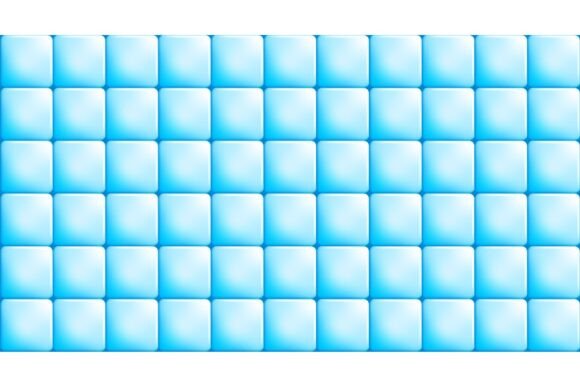
Imagine immersing yourself into the alluring realm of 3D design with mesmerizing visuals that catch the eye without overwhelming the senses. The Mosaic Blue Tile Button achieves this through an exquisite quilt of blue-colored tiles and smoothly rounded corners. It elegantly redefines the embellishment of web pages, transforming standard call-to-action areas into inviting portals of interaction. But beyond its aesthetic appeal, understanding how to utilize such specific design assets requires a look into the principles of visual hierarchy, color psychology, and user experience (UX).
The Anatomy of a Mosaic Design
To truly appreciate the value of these buttons, one must first understand the concept of mosaic design itself. Historically, mosaics are images created by assembling small pieces of colored glass, stone, or other materials. In the digital realm, this technique is replicated using vector graphics to create a "quilt" effect. When applied to a button, this texture adds a layer of complexity that flat colors simply cannot achieve.
The Mosaic Blue variation specifically leverages the calming yet authoritative properties of the color blue. In color psychology, blue is associated with trust, stability, and intelligence—qualities essential for business websites, educational platforms, and tech portfolios. By breaking this solid blue field into individual tiles, the design introduces light and shadow play, creating a pseudo-3D effect even before advanced rendering is applied.
- Texture: The tiled surface breaks up monotony, providing visual interest that encourages users to pause and look.
- Depth: The interplay between the tiles simulates depth, making the button appear lift-off the page.
- Roundness: Smoothly rounded corners soften the geometric harshness of the tiles, ensuring the element feels approachable and clickable.
Why 3D Vector Backgrounds Matter
The shift toward 3D vector backgrounds is not merely a trend; it is a response to the increasing resolution of modern displays. As screens become sharper (Retina, 4K, and beyond), flat designs can sometimes appear sterile or unfinished. A 3D vector background, such as the one found in high-quality Mosaic Blue Tile assets, offers an unparalleled canvas. It provides ample copy space to nourish unique design aspirations while maintaining crisp edges at any scale.
Vector graphics are mathematical representations of images, meaning they can be scaled infinitely without losing quality. This is crucial for responsive web design, where a button must look perfect on a massive desktop monitor and a tiny smartphone screen alike. When a designer chooses a mosaic tile button built on vector technology, they are ensuring consistency across all devices, a key factor in professional web development.
Practical Applications in Modern Interfaces
How does one integrate such a distinct element into a live project? The versatility of the Mosaic Blue Tile Button allows it to fit into various contexts, from gaming landing pages to corporate dashboards.
- Gaming and Entertainment: The intricate tile work resonates well with puzzle games, fantasy themes, or creative portfolios where artistry is paramount.
- Educational Platforms: The structured nature of a mosaic can symbolize building blocks of knowledge, making it an excellent choice for "Start Learning" or "Explore Course" buttons.
- Tech Startups: Using a modern 3D interpretation of a classic art form signals innovation rooted in tradition, a powerful narrative for emerging tech companies.
Consider a scenario where a travel agency wants to highlight a "Book Your Trip" feature. A standard flat blue button might get lost among text and images. However, a Mosaic Blue Tile Button, with its textured surface and 3D pop, draws the eye immediately. It suggests that clicking it will lead to a constructed, curated experience, much like the tiles themselves form a complete picture.
Balancing Aesthetics with Usability
While the allure of 3D design is strong, it is vital to address a common misunderstanding: decoration should never compromise function. A button's primary purpose is to be clicked. If the mosaic pattern is too busy or the contrast between the tiles and the text is insufficient, accessibility suffers.
Experienced designers know that when using a textured background like the Mosaic Blue Tile, the text overlay must be bold and high-contrast. White or light gray typography usually works best against the varying shades of blue tiles. Furthermore, the "smoothly rounded corners" mentioned in the design specification are not just stylistic; they guide the user's eye to the center of the button and make the target area feel larger and more friendly to touch on mobile devices.
It is also important to consider loading times. While vector files are generally lightweight, complex 3D renders can sometimes bloat a website if not optimized. Ensuring that the mosaic asset is saved in an efficient format (like SVG for vectors or highly compressed WebP for rasterized versions) ensures that the beauty of the design does not slow down the user's journey.
The Creative Journey: Unleashing Potential
Unleashing your creativity with tools like the Mosaic Blue Tile Buttons is about more than just dropping an image onto a canvas. It is about understanding the story the element tells. The "exquisite quilt" of tiles suggests craftsmanship. The blue hue suggests reliability. The 3D aspect suggests modernity. When combined, these elements create a cohesive narrative that enhances the brand identity.
For beginners, experimenting with these assets can be a valuable lesson in layering and composition. Try placing the button against different backgrounds: a stark white void, a dark gradient, or even a complementary orange texture. Observe how the blue tiles react to different lighting simulations in your design software. This experimental process builds a broader understanding of how light, color, and texture interact in a digital space.
Moreover, these buttons serve as a reminder that web design is an artistic journey. In a world dominated by templates and automated builders, incorporating unique, hand-crafted, or specially selected 3D elements allows a website to stand out. It shows the visitor that care was taken in every pixel, fostering a deeper connection between the user and the interface.
Conclusion: Redefining Digital Embellishment
The Mosaic Blue Colored Tile Button is a testament to the fact that functional UI elements can also be masterpieces of art. By merging the timeless appeal of mosaic art with the precision of 3D vector technology, designers have access to a tool that is both visually stunning and practically robust. Whether you are building a personal portfolio, a commercial e-commerce site, or an educational hub, these buttons offer a way to redefine the embellishment of your interfaces.
As you move forward in your design projects, remember that the goal is not just to fill space but to create experiences. Let the mesmerizing quality of the Mosaic Blue Tile inspire you to push boundaries, experiment with depth, and ultimately, create digital environments that are as engaging as they are effective. The canvas is blue, the tiles are set, and the opportunity to create something extraordinary is just a click away.